Common Mistakes New Football Card Collectors Make and How to Avoid Them
Getting Started with Football Card Collecting
Collecting football cards can be an enjoyable hobby that combines a love of the sport with the thrill of building a personal collection. For many newcomers, the excitement of opening packs and hunting for rare cards is what draws them in. But without some basic knowledge, it is easy to make choices that lead to disappointment or wasted money. This article explains the most common pitfalls new collectors face when buying football cards, and offers practical advice on how to steer clear of them.
Buying Without Knowing the Market
One of the biggest mistakes new collectors make is purchasing cards without understanding their current market value. It is tempting to buy a card simply because it looks impressive or features a popular player. However, market value can fluctuate based on demand, player performance, and the card's rarity. A card that seems valuable today might be worth much less next month if the player has a quiet season or if the market shifts.
To avoid this, take time to research recent sales of similar cards. Look at completed listings on online marketplaces or check prices on dedicated card valuation sites. Get a feel for what different grades and conditions sell for. This does not mean you need to become a market analyst, but having a rough idea of price ranges will help you recognise a fair deal and avoid overpaying. Over time, your instinct for value will improve as you see more cards change hands.
Ignoring Card Condition
Card condition is everything in this hobby. A card might be rare, but if it has creases, scuffs, or corner wear, its value drops sharply. Beginners sometimes overlook condition because they focus on the player name or the set. They end up with a card that looks fine in a photo but arrives in poor shape.
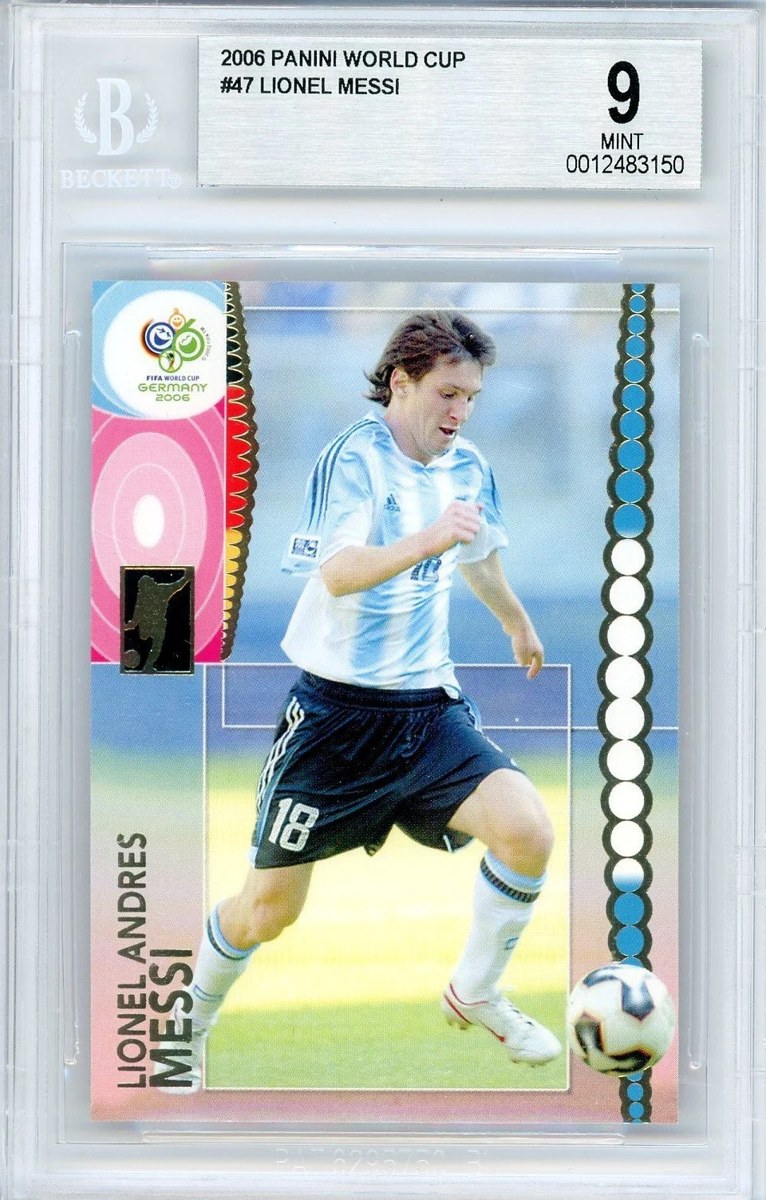
When buying singles, ask the seller for clear photos of the front and back, and check for any damage. If you are buying sealed boxes or packs, remember that condition matters less until the pack is opened, but even sealed wax can have damage that affects resale value. Learn the standard grading terms: mint, near mint, excellent, good, and so on. If you plan to collect graded cards, study the differences between grades such as PSA 9 and PSA 10. A card that grades one point lower can be worth significantly less. Being patient and examining condition carefully will save you from buying cards that are not as good as they first appear.
Chasing Hype Instead of Building a Collection
New collectors often get swept up in the hype around a certain player or set. They see everyone talking about a particular rookie card or a hot new release and feel they must buy it immediately. This can lead to paying inflated prices during a peak of excitement. When the hype dies down, the card may drop in value, leaving the buyer with a loss if they try to sell.
A better approach is to think about what you personally enjoy collecting. Do you prefer cards from a specific team, a certain era, or a particular player? Building a collection around your own interests makes the hobby more satisfying and less driven by market noise. It is fine to buy a hyped card if you genuinely want it, but try to wait until the initial frenzy settles. Prices often become more reasonable a few months after a release, when the early rush has passed.
Overlooking Shipping Costs and Packaging
When buying cards online, the price you see is not always the price you pay. Shipping costs can add a significant amount, especially if you are buying from overseas or ordering multiple items from different sellers. Some sellers charge high shipping fees that make a seemingly cheap card much more expensive. Beginners sometimes forget to factor in these extra costs and end up spending more than they intended.
Also important is how cards are packaged. A card sent in a plain envelope without proper protection can arrive bent or damaged. Look for sellers who use a rigid mailer or a cardboard-backed envelope, and who place the card in a penny sleeve and top loader. If you are buying from a marketplace, check the seller's feedback for comments about packaging quality. For your own protection, consider paying a little more for tracked shipping on higher-value purchases. It is better to spend a couple of pounds on secure postage than to lose a valuable card in transit.
Not Checking the Checklist
Every set of UK football cards comes with a checklist that shows every card in the set, including base cards, inserts, and hits. Beginners sometimes buy a sealed box or a repack without knowing what cards are actually inside. They might assume a repack contains only high-quality cards, when in reality it could be filled with common cards that are hard to trade or sell.
Before buying any sealed product, look up the checklist for that set. It tells you the rarity of each card and helps you understand your odds of pulling something desirable. For repacks, which are premade bundles of cards, the seller should list the contents or at least the type of cards included. If a repack promises "hits" or "guaranteed inserts," check what those terms mean for that specific product. Knowing the checklist prevents you from buying a product that does not match your expectations.
Falling for Resealed or Tampered Packaging
Unfortunately, the card market has its share of dishonest sellers. Resealed packaging is a real problem, where someone opens a box, removes the valuable cards, and reseals it with lower-value ones. Beginners who are not familiar with how factory seals look can be tricked into buying tampered products.
To protect yourself, buy from reputable sellers with good feedback. If a deal seems too good to be true, it probably is. Examine the packaging carefully: look for signs of glue, uneven shrink wrap, or a seal that does not match other boxes of the same set. If you are buying a high-value sealed box, consider using a trusted third-party authenticator. Many collectors also prefer to buy single cards from established dealers rather than take a risk on sealed wax. While no method is foolproof, being cautious will reduce your chances of being cheated.
Understanding the Appeal of Repacks
Repacks are a popular way to get a mix of cards for a set price. They can be a good entry point for new collectors because they offer variety and sometimes include a guaranteed hit. However, repacks vary widely in quality. Some repacks are carefully curated and offer good value, while others are just a way to offload unsold inventory.
When considering a repack, look for details about what is included. A good repack will list the types of cards inside, such as a certain number of rare cards or inserts. Avoid repacks that are vague or promise only "surprise cards." Also consider the seller's reputation. A seller who is transparent about contents and has positive feedback is more likely to offer a fair repack. Remember that a repack is a gamble, and the value you get may not match the price you pay. Treat it as a fun way to add to your collection rather than a guaranteed way to get valuable cards.
Building a Network and Learning from Others
Collecting does not have to be a solo activity. Joining online communities, forums, or social media groups dedicated to UK football cards can help you learn from more experienced collectors. You can ask questions, see what others are buying, and get advice on spotting fakes or avoiding bad deals. Many collectors are happy to share their knowledge, especially with newcomers who show genuine interest.
Attending local card shows or meetups, where they exist, is another way to learn. You can see cards in person, handle them, and get a sense of condition and market value. Talking to dealers and other collectors face to face builds trust and may lead to better deals. The more you engage with the community, the faster you will develop the skills to make smart purchases.
Staying Patient and Enjoying the Hobby
The most important lesson for any new collector is to be patient. Mistakes happen when you rush into a purchase without doing your homework. Take your time to learn the basics of condition, market value, and set checklists. Build your collection gradually, focusing on what brings you joy rather than what everyone else is chasing.
Collecting UK football cards should be fun. It is a way to connect with the sport, appreciate its history, and maybe even discover a few hidden gems along the way. By avoiding the common mistakes outlined here, you can save money, reduce frustration, and build a collection that you are proud of. The hobby rewards those who are informed, careful, and patient. With a little effort, you can make smart choices and enjoy every step of the journey.